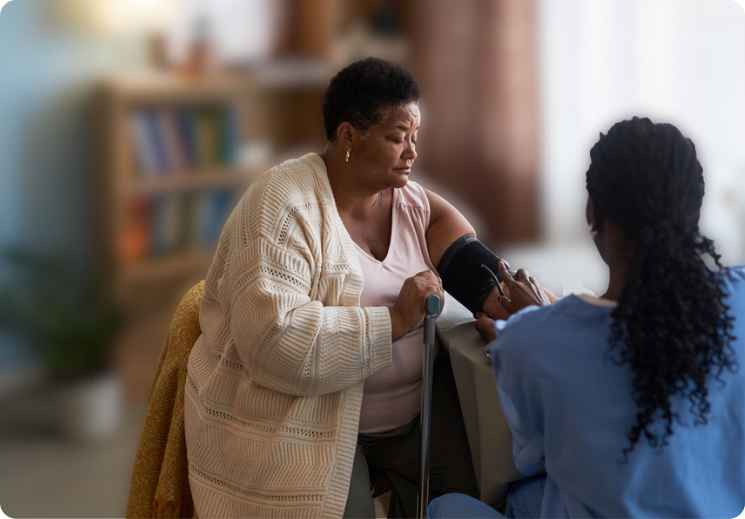
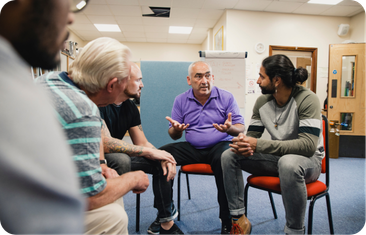
People experiencing social exclusion often face the greatest barriers to accessing healthcare and experience significantly poorer health outcomes. Prevention services must actively reach those most at risk and remove barriers to engagement.
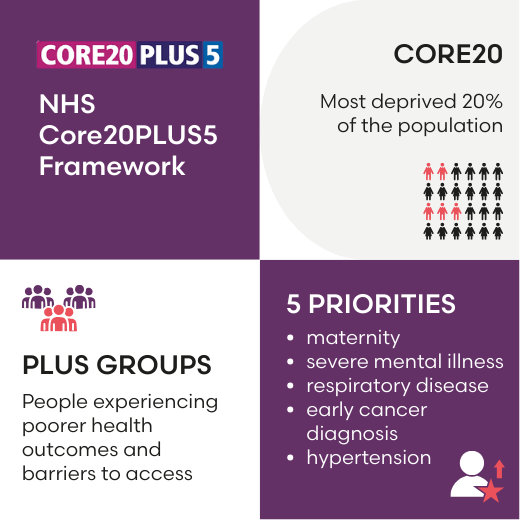
NHS Core20PLUS5 Framework
CORE20
Most deprived 20% of the population
PLUS GROUPS
People experiencing poorer health outcomes and barriers to access
5 PRIORITIES
Maternity
Severe mental illness
Respiratory disease
Early cancer diagnosis
Hypertension
How Morelife Supports Inclusion Health
Building Trust
Trauma-informed and culturally sensitive support
Non-judgemental engagement
Communication that supports health literacy
Removing Barriers To Access
Supporting people to register with GPs
Translation and interpretation where required
Outreach in trusted community settings
Holistic Support
Understanding wider social needs
Signposting to housing, welfare and community support
Personalised behaviour change interventions
A trauma-informed approach to
inclusive health improvement
At Morelife, our health improvement interventions are underpinned by a robust, trauma-informed framework that recognises the impact of Adverse Childhood Experiences (ACEs) and systemic health inequalities on long-term physical and behavioural outcomes.
Our practitioners are trained to move beyond traditional delivery models, addressing the underlying drivers of health behaviours rather than focusing solely on outcomes. This approach enables the creation of environments characterised by psychological safety, transparency and patient empowerment, supporting individuals to engage more effectively with services.
Integrated, clinically informed delivery
Across our Tier 2 and Tier 3 pathways, we embed:
Biopsychosocial assessment frameworks to understand the full context of each individual’s health
Structured clinical supervision to ensure consistent, high-quality, psychologically informed practice
Trauma-informed delivery models that reduce the risk of re-traumatisation and disengagement
This integrated model ensures that interventions are clinically robust, person-centred and responsive to complex need.
Improving access for inclusion health groups
Our approach is specifically designed to improve access and engagement among inclusion health populations, including individuals who may have experienced:
Stigma within healthcare settings
Previous medical or psychological trauma
Structural barriers to accessing traditional services
By addressing these factors directly, we are able to reduce barriers to engagement and support sustained participation in health improvement programmes.
Aligned with national policy and evidence
Our model is aligned with guidance from the National Institute for Health and Care Excellence and the NHS Long Term Plan, ensuring delivery is:
Evidence-based
Clinically governed
Consistent with national priorities on prevention and health inequalities
Delivering equitable, sustainable outcomes
By combining trauma-informed practice with clinically structured delivery, we are able to support individuals with complex needs to achieve sustainable health outcomes, while contributing to the reduction of health inequalities at a population level.
Integrated, clinically informed delivery
Across our Tier 2 and Tier 3 pathways, we embed:
Biopsychosocial assessment frameworks to understand the full context of each individual’s health
Structured clinical supervision to ensure consistent, high-quality, psychologically informed practice
Trauma-informed delivery models that reduce the risk of re-traumatisation and disengagement
This integrated model ensures that interventions are clinically robust, person-centred and responsive to complex need.
Improving access for inclusion health groups
Our approach is specifically designed to improve access and engagement among inclusion health populations, including individuals who may have experienced:
Stigma within healthcare settings
Previous medical or psychological trauma
Structural barriers to accessing traditional services
By addressing these factors directly, we are able to reduce barriers to engagement and support sustained participation in health improvement programmes.
Aligned with national policy and evidence
Our model is aligned with guidance from the National Institute for Health and Care Excellence and the NHS Long Term Plan, ensuring delivery is:
Evidence-based
Clinically governed
Consistent with national priorities on prevention and health inequalities
Delivering equitable, sustainable outcomes
By combining trauma-informed practice with clinically structured delivery, we are able to support individuals with complex needs to achieve sustainable health outcomes, while contributing to the reduction of health inequalities at a population level.
Addressing barriers to access in deprived communities
Individuals living in areas of higher deprivation experience multiple, overlapping barriers that impact their ability to access, engage with and complete lifestyle and behaviour change interventions.
While financial constraints remain a factor, the most significant barriers are often:
Structural – including limited time, transport challenges and digital exclusion
Psychological – including stigma, low self-efficacy and reduced trust in traditional or institutional healthcare services
These barriers are interrelated and can significantly reduce engagement, particularly among those with the greatest need for support.
A targeted, evidence-informed response
Our model is designed to systematically address these barriers through a combination of service design, delivery flexibility and psychologically informed practice.
Hyper-local delivery
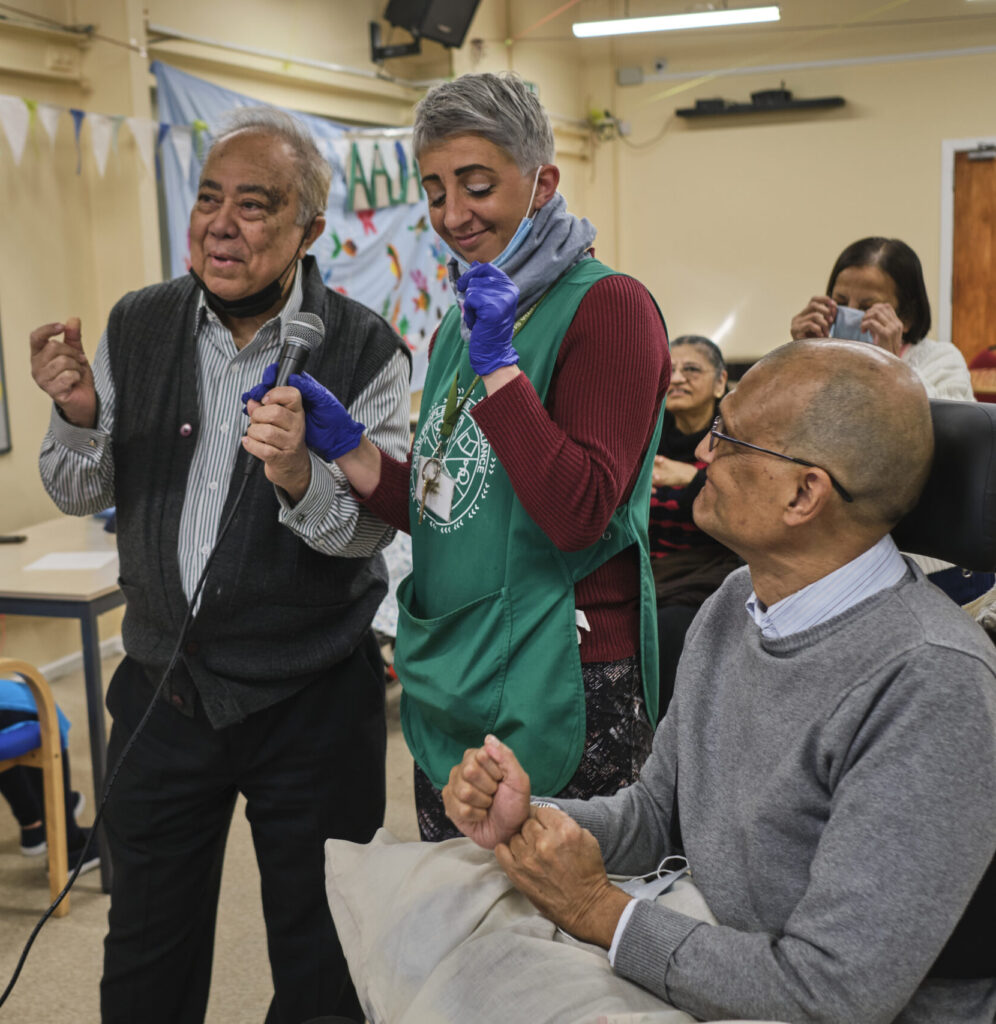
We deliver services within non-clinical, community-based settings, improving accessibility and reducing perceived barriers associated with formal healthcare environments.
Flexible and inclusive access models
We provide a range of access points to accommodate diverse needs, including:
Evening and out-of-hours provision
Hybrid delivery (digital and in-person)
On-demand tools and 24/7 support resources
Drop-in formats and multiple session options
This approach is particularly effective for individuals with irregular working patterns or constrained availability.
Culturally responsive delivery
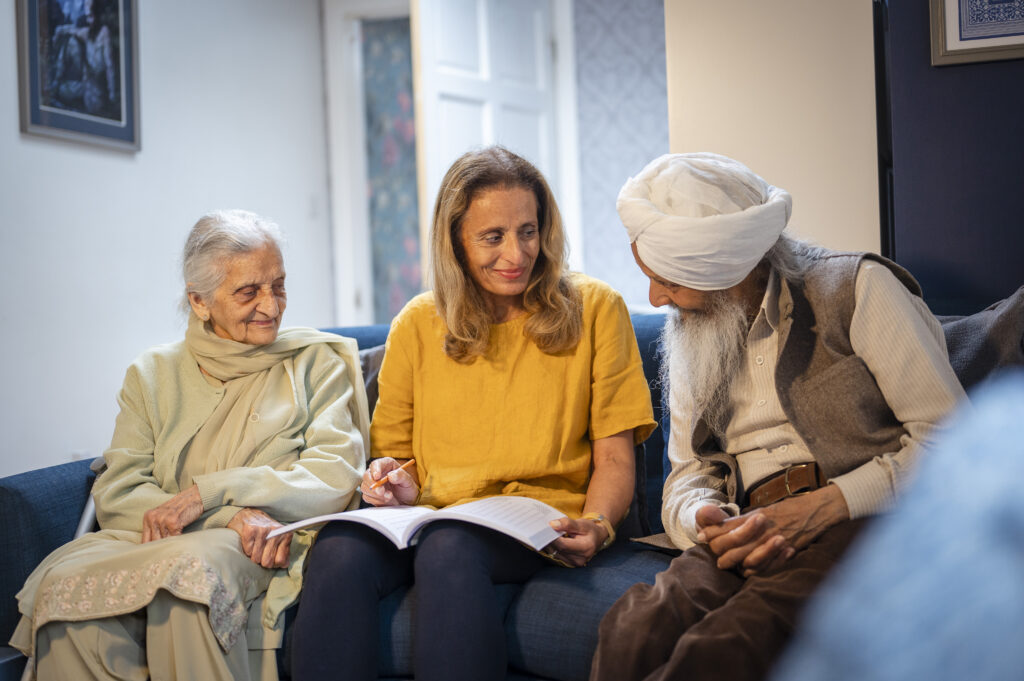
Our programmes are adapted to reflect the demographic profile, cultural context and lived experience of the communities we serve, ensuring that materials, messaging and practitioner delivery are relevant and appropriate.
Culturally responsive delivery
Our programmes are adapted to reflect the demographic profile, cultural context and lived experience of the communities we serve, ensuring that materials, messaging and practitioner delivery are relevant and appropriate.
Trauma-informed and psychologically safe environments
We apply a trauma-informed framework across all services, creating environments that prioritise psychological safety and minimise the risk of re-traumatisation.
This is particularly important for individuals who may have experienced:
Stigma
Negative healthcare interactions
Wider social or psychological adversity
Digital inclusion
Recognising the impact of digital exclusion, we adopt a hybrid delivery model that:
Supports individuals with low digital literacy
Provides non-digital access routes
Ensures equitable access regardless of technology access or confidence
Reducing inequalities through service design
By addressing structural and psychological barriers through an integrated delivery model, we are able to increase access, improve engagement and support sustained participation among underserved populations.
This approach supports the delivery of equitable health outcomes, ensuring that those facing the greatest barriers are able to access and benefit from lifestyle support services.
Where this happens
Community centres
Faith Venues
Housing Associations
Libraries
GP Practices
Our website uses cookies which help us to improve our site and enable us to deliver the best possible service and customer experience.
By continuing to browse the site you are agreeing to our use of cookies. Find out more about the cookies we use on our cookie policy page.